About
Risk, understood as a system.
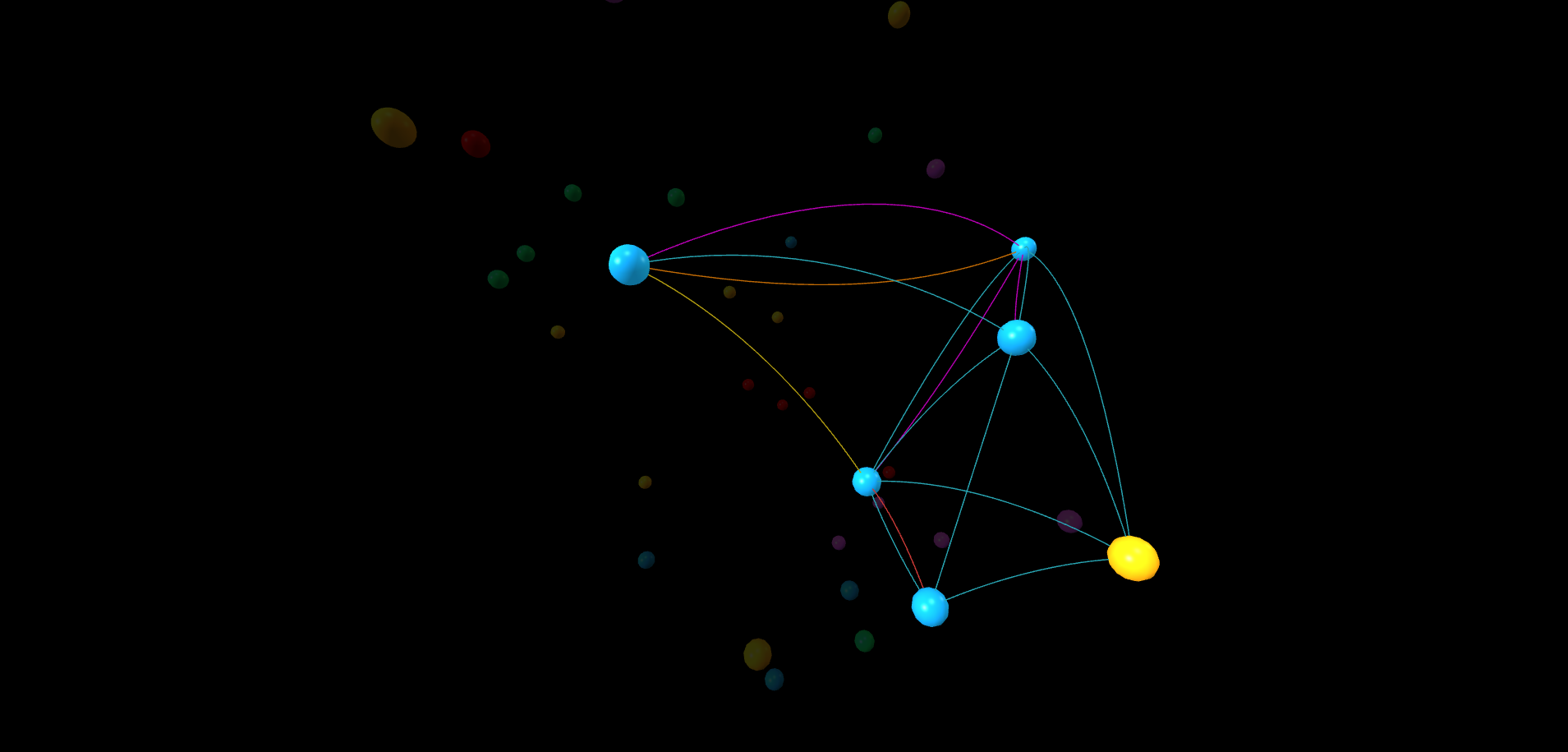
Risk Portal is a platform that models risk as a connected network, so the dependencies and failure paths a list of risks hides become something you can see and act on.
Mission
Make the structure of risk visible.
To turn risk from a list into a network — so the connections, dependencies and failure paths that a register cannot show become something an organisation can see, question and act on.
Vision
Risk read as a system, not a list.
The same idea applies wherever risk is connected — financial systems, critical infrastructure, national policy, cybersecurity, global risk. Wherever failures travel through dependencies, the network is the truer picture.
Our approach
How we think about risk.
System first
Model how things actually connect, then let the vulnerabilities emerge from the structure — rather than starting from a list of risks assessed one by one.
Show, don't assert
Follow where stress really travels and where it concentrates — structurally grounded, not a heat-map of opinions.
Minimal input
Built from what you already have: what matters, and what depends on what. Nothing heavier is required to get to a result.
A complement, not a replacement
Network analysis answers the questions individual risk assessment cannot. You still assess risks — you also see the system they sit within.
Our story
Why Risk Portal exists.
Risk Portal began from a simple frustration: every risk professional knows their risks are connected — it is why we talk about knock-on effects and cascades — yet the tools stayed lists, with each risk assessed on its own.
Risk Portal was built to close that gap. It draws on mature, well-understood network analysis — the same family of methods behind epidemiology, supply chains and infrastructure planning — and points it at the structural questions risk management has always asked but never been able to answer directly.
The work continues across domains, from operational resilience in regulated firms to national chronic risk, wherever seeing the system changes the decision.
What we hold to
Three principles.
Recognition, not hype
None of the thinking is new — every risk professional knows their risks connect. What has been missing is a way to see it. We frame the capability as overdue, never revolutionary.
Structure over noise
The value is in the connections. We surface dependencies, single points of failure and cascade paths — and resist the urge to add dashboards that don't change a decision.
Honest about limits
The network shows where to look. It does not replace judgement, and it never claims to predict the future. It makes the structure visible so expert judgement has something solid to work from.
Start a conversation.
To see network modelling on your own risks, or to talk through where it fits, get in touch.
Get in touch